

Unlocking the Full Potential of UV DTF Printing Technology for Custom Merchandising
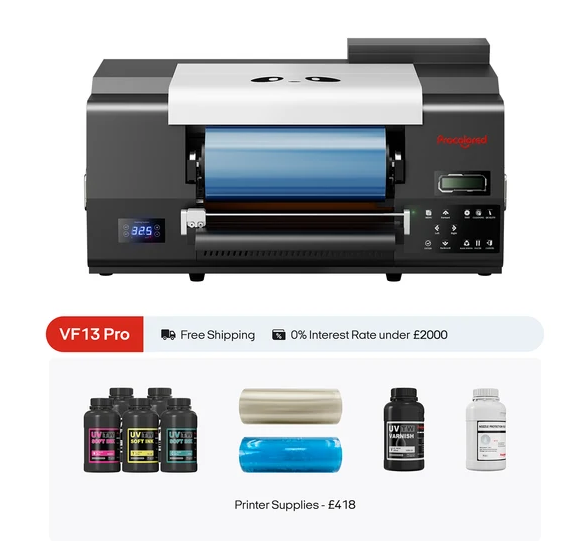
In the fast-evolving world of custom printing and personalized goods, businesses are constantly searching for methods that combine high visual appeal with operational efficiency. Traditional printing techniques imprimante uv dtf come with limitations regarding the types of surfaces they can decorate or the complexity of the setup required. The introduction of advanced transfer methods has bridged this gap, offering creators and manufacturers a versatile solution. Among these innovations, the specialized approach utilized by systems found on platforms like Procolored has gained significant traction for its ability to produce striking, durable decals suitable for a wide array of hard objects.
Understanding the mechanics behind this printing process reveals why it has become a preferred choice for custom product creators. Unlike conventional direct-to-object UV machines that require the item to be placed directly beneath the printing heads, this technique relies on a specialized transfer workflow. The process begins by printing vibrant designs onto a specially prepared base film. As the ink is deposited, integrated UV lamps immediately cure and dry it, locking in rich colors and fine details. Following this step, a laminating film is applied over the printed design using a laminating device. This final protective layer allows the completed graphic to be peeled away and transferred seamlessly onto virtually any smooth, hard surface, resulting in a premium crystal sticker finish.
The practical applications for these high-definition decals are extensive, spanning numerous industries and creative projects. Businesses specializing in promotional items, personalized gifts, and corporate branding benefit greatly from the flexibility of producing custom transfers in advance. Because the stickers can be stored and applied on demand, shop owners can efficiently handle fluctuating order volumes without needing to configure their printing equipment for every individual item. Items such as glass drinkware, metal tumblers, ceramic mugs, leather goods, phone cases, and acrylic awards can all be branded effortlessly. The resulting decorations offer remarkable resistance to everyday wear, scratching, and moisture, ensuring long-lasting visual appeal.
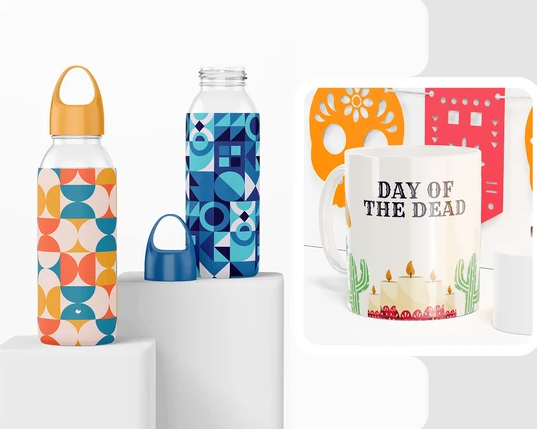
Adopting this innovative transfer workflow can significantly streamline production for small businesses and growing print shops alike. By separating the printing stage from the final application surface, operators minimize the risk of ruining expensive items due to alignment errors or awkward object shapes. Every transfer is prepared cleanly on a sheet of film, allowing for rigorous quality control before the decal ever touches the final product. Furthermore, the tactile, raised appearance of the finished crystal sticker adds a luxurious dimension that customers find highly attractive. Embracing these advanced printing techniques empowers creators to expand their product catalogs, improve workflow efficiency, and deliver exceptional quality to their clientele.
Conclusion
The evolution of modern printing technology continues to provide entrepreneurs and creators with powerful tools to bring imaginative designs to life. By utilizing a sophisticated film-based transfer process rather than direct printing, businesses can achieve stunning, durable crystal stickers suitable for countless hard surfaces. This method not only simplifies production and reduces waste but also opens up new avenues for custom merchandise and personalization. Incorporating these versatile systems into a professional workspace ensures consistent results, elevated product quality, and a distinct competitive edge in the bustling custom goods market.