

The Ultimate Guide to Precision UV Laser Engraving for Delicate Materials
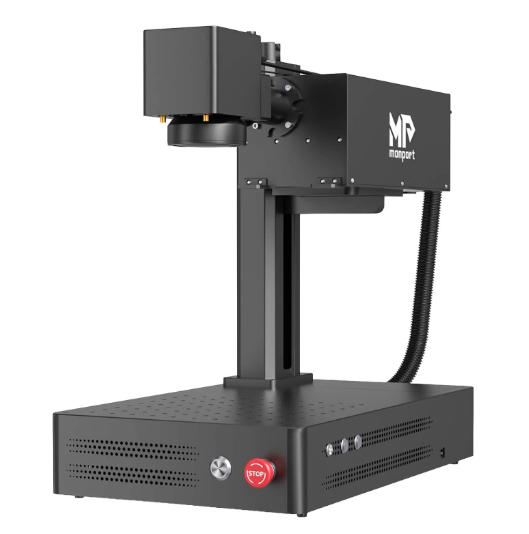
When working with sensitive, fragile, or highly detailed materials, standard fiber or CO2 laser engravers often generate too much heat, resulting in micro-cracks, burnt edges, or distorted details. uv laser engraving technology solves this challenge through cold processing, making it the premier choice for ultra-fine marking on glass, crystal, delicate plastics, and ceramics. Understanding how UV laser engravers work and selecting the right machine can significantly enhance output quality for personalized product creation, industrial marking, and custom craftsmanship.
Understanding UV Laser Technology and Cold Processing
UV laser engraving machines operate at a wavelength of 355nm. This short wavelength allows the laser to perform photochemical processing, commonly referred to as cold laser marking. Instead of melting or burning the material surface through high temperatures, the ultraviolet beam breaks the molecular bonds directly within the material.
Because heat transfer is minimal, materials undergo virtually zero thermal damage. This makes UV lasers uniquely suited for heat sensitive surfaces that would otherwise fracture or melt under longer wavelengths.
Why UV Lasers Outperform Other Lasers on Glass and Crystal
Glass and crystal present distinct challenges for traditional laser systems. CO2 lasers rely on thermal fracturing to create marks on glass, which can lead to rough surfaces and chipped edges. UV laser technology eliminates this issue by producing clean, smooth, and incredibly precise microscopic marks.
Key advantages for glass and crystal application include:
- Smooth, high-contrast surface marking without micro-cracks
- Capability to execute inner 3D crystal engraving without damaging outer surfaces
- Extremely fine beam diameter capable of intricate patterns and microscopic text
- Consistent results on varied glass densities, from drinkware to optical components
Choosing Between Different UV Laser Power Levels
Selecting the right power output depends on production speed expectations, material density, and processing depth requirements.
5W and 6W Power Configurations
Entry level and standard power configurations offer exceptional precision for fine details. These units excel at surface marking on plastics, smooth glass, ceramics, and coated metals. They are ideal for small workshops, custom gift creation, and precise logo application where detail quality takes precedence over rapid mass production.
10W Power Configurations
Higher wattage configurations provide increased processing speed and deeper marking capabilities. A higher power unit cuts down cycle times significantly, making it ideal for growing businesses and high volume production runs. It handles denser materials with ease and allows faster execution of complex 3D internal glass engraving.
Key Operational Features to Look For
To achieve optimal results in precision marking, reliable hardware components are essential:
- High Speed Galvo Scanning Systems: Advanced galvanometer scanners direct the laser beam with extreme rapid movement, enabling intricate vector graphics and fast raster engraving.
- Integrated Water Cooling Systems: Stable operating temperatures are critical for maintaining consistent laser beam quality and extending laser source longevity during extended production runs.
- Precision Focusing Mechanics: Reliable focus adjustment ensures optimal spot size across flat and contoured surfaces.
Broad Applications Across Multiple Industries
The versatility of cold laser processing opens up possibilities across various sectors:
- Custom Glassware and Jewelry: Engrave fine detail onto wine bottles, perfume containers, crystal awards, and delicate jewelry pieces.
- Electronics and Medical Components: Create precise, permanent barcode markings and part serial numbers on delicate plastic housings and ceramic substrates.
- Personalized Gifts and Promotional Items: Mark custom logos onto items without risk of surface discoloration or structural weakening.
Why Monport Delivers the Ideal UV Laser Solutions
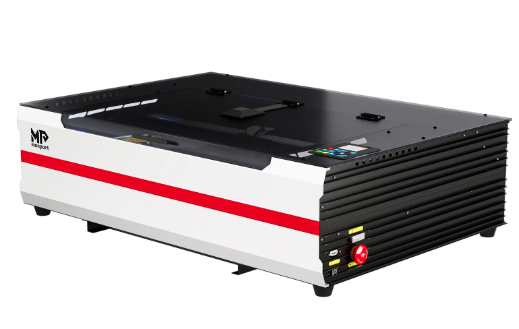
Selecting high quality laser equipment requires high precision hardware paired with steady performance and long-term reliability. Monport specialized UV laser engravers are built to meet the rigorous demands of delicate material processing, offering tailored 6W and 10W options featuring genuine 355nm wavelength sources.
Monport equipment incorporates top tier high speed galvo scanning systems alongside integrated water cooling technology to ensure continuous, high precision output. Models equipped for 3D subsurface glass engraving allow creators to expand into high margin crystal art. By providing robust build quality, high accuracy beam delivery, and dedicated customer support, Monport empowers creators and commercial operators to elevate product craftsmanship and scale production with total confidence.
Conclusion
Precision laser engraving requires equipment 10w uv laser engraver specifically tailored to the characteristics of delicate materials. UV laser engravers provide the ideal balance of accuracy, cold processing safety, and material versatility across glass, crystal, plastic, and ceramic applications. Investing in advanced technology with high quality optical scanning and effective cooling systems ensures superior detail and dependable long term production.